Redesigning how classical music finds its audience
Founding of Sonora Collective
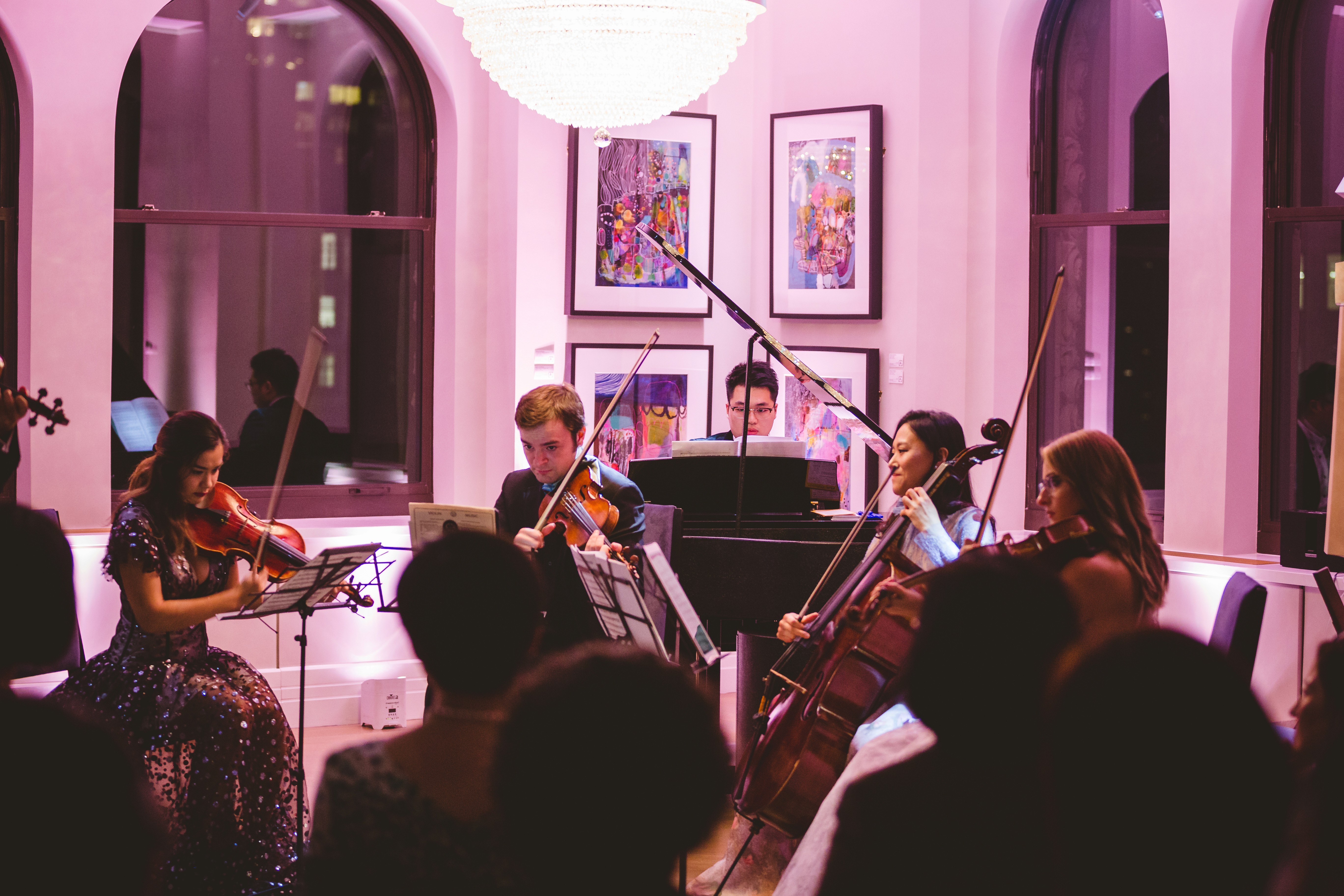
Sonora Collective at the crown penthouse, 2019
THE PROBLEM
Classical music is one of the most extraordinary art forms in the world. But somewhere along the way, a gap opened up. There is a whole group of untapped audiences who would probably love this music, if it was presented in a way that worked for them.
INSIGHT
The music was never the problem
Let's meet the audience where they are
I talked to non-concert-going friends about what stopped them attending live classical music. The answers were consistent: it felt intimidating, often too long, and full of rules they didn't know.
So we decided to reimagine the concert experience . We brought the music into spaces people already loved and felt comfortable in - galleries, communal spaces, and other unexpected venues we could find. Let's meet the audience where they are, no prior knowledge of Mozart required.
MY ROLE
As Executive Director and co-founder, I led the operations, partnerships, and audience development for Sonora's first 2 season. My responsibilities included the following
Sourced and secured performance opportunities-approaching galleries, real estate partners, and cultural spaces with tailored concepts
Built and managed relationships across performers, venue partners, PR contacts, fashion collaborators, and sponsors
Designed and distributed email marketing campaigns via Mailchimp and managed event listings via Eventbrite
Grew audience list and attendance from zero across two productions
Coordinated all production logistics including rehearsal scheduling, performer briefings, and run-of-show documentation
Secured press coverage including a feature in Time Out New York
[Project Scope]
Sonora was founded in 2018 by three co-founders. What started as an experiment in reimagining classical music performance has grown into a registered 501(c)(3) nonprofit now in its 6th season.
[Role & Timeline]
Co-founder and Executive Directior
2018 -2021
Stepped away upon relocating permanently to New Zealand
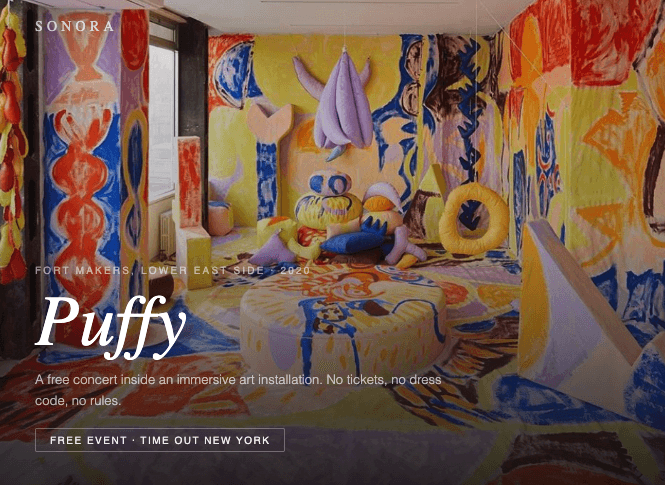
Case 01 : PUFFY at Fort Makers
Fort Makers, 38 Orchard Street, Lower East Side · March 1, 2020
THE IDEA
What better than being in a living art canvas?
I kept thinking about street performers. When a violinist plays Vivaldi in a subway station, people stop. They pull out their phones. They stay longer than they planned. Nobody told them to dress up or stay quiet. And they were completely captivated. Those people weren't avoiding classical music. They just hadn't been invited in the way that made sense for them.
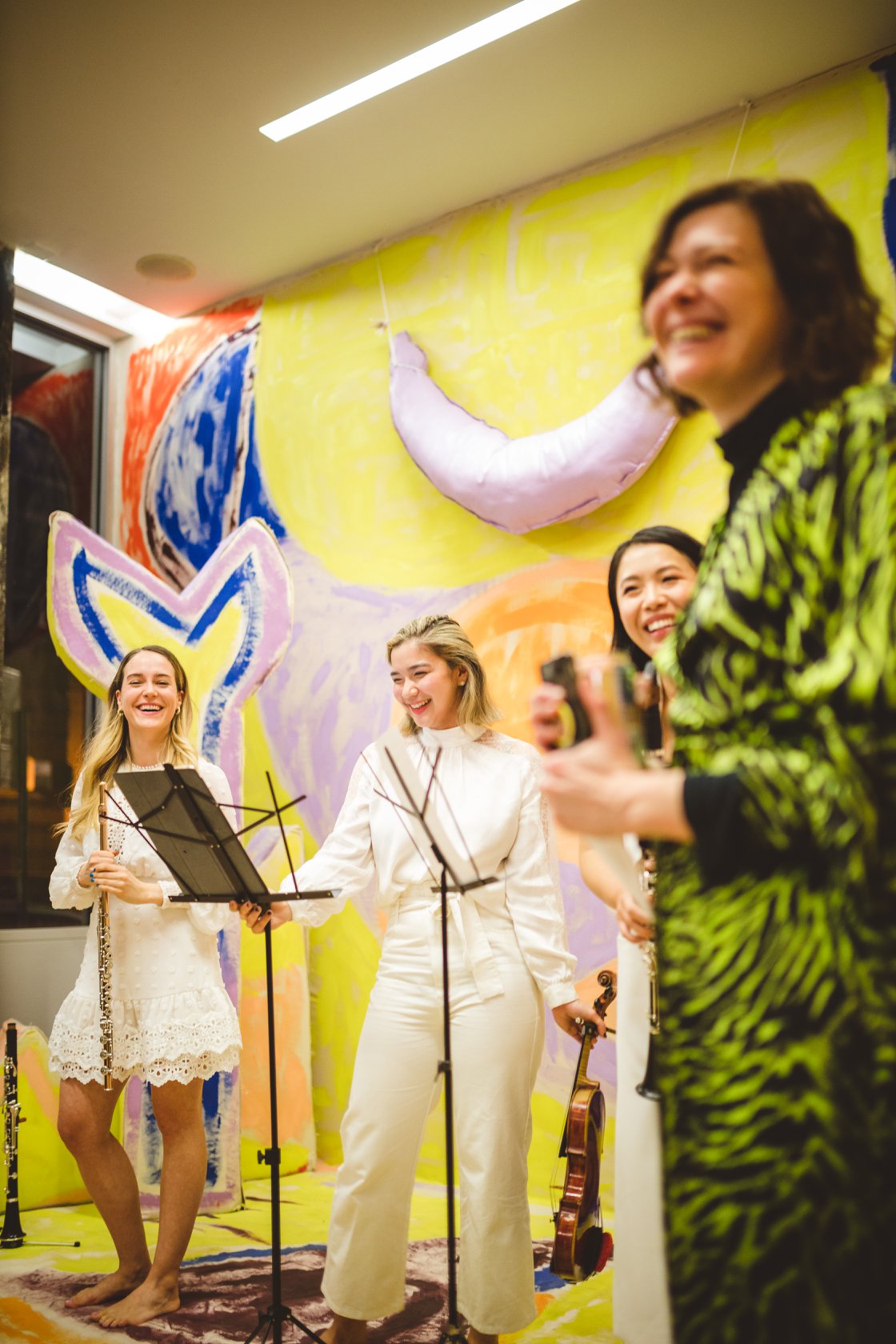
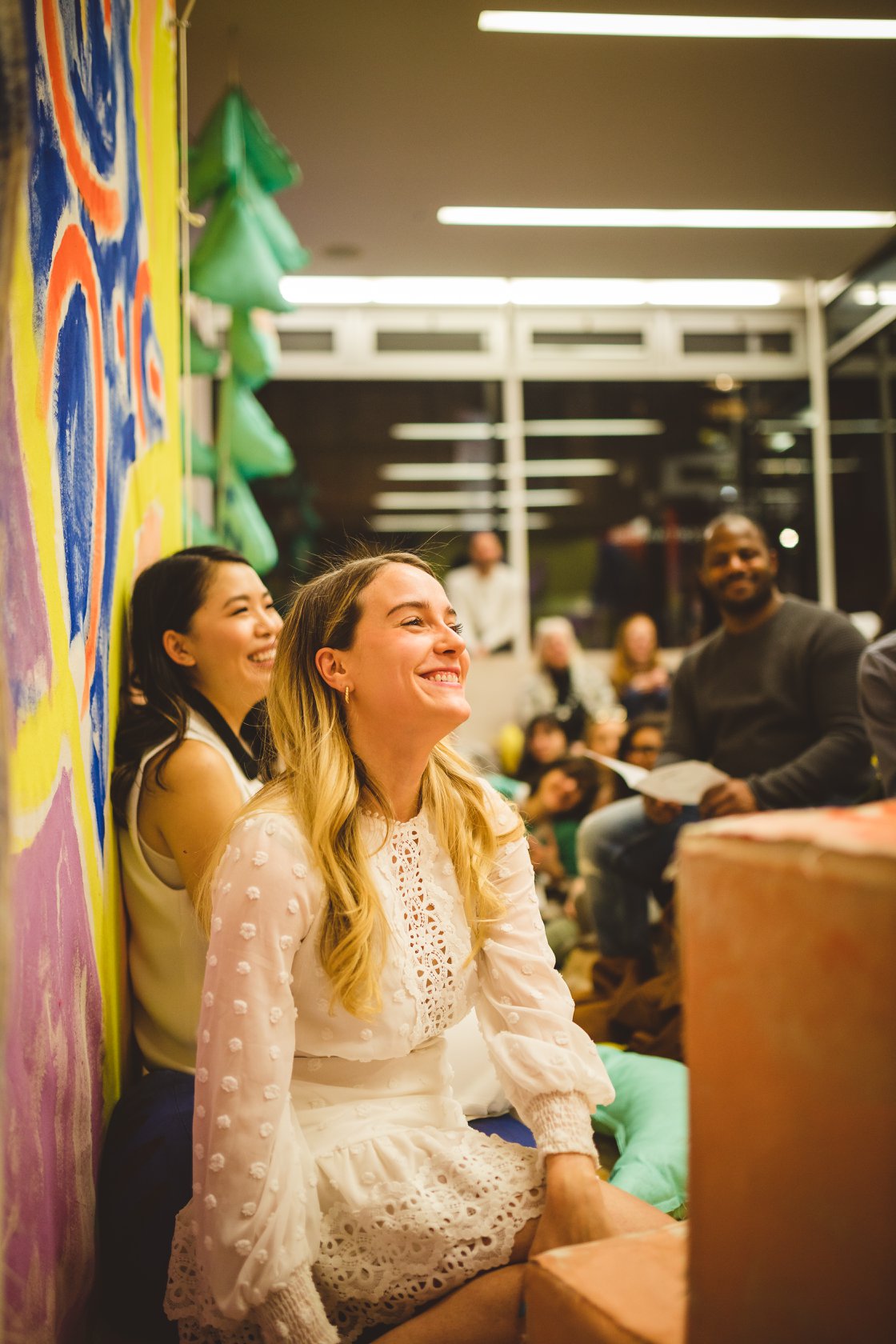
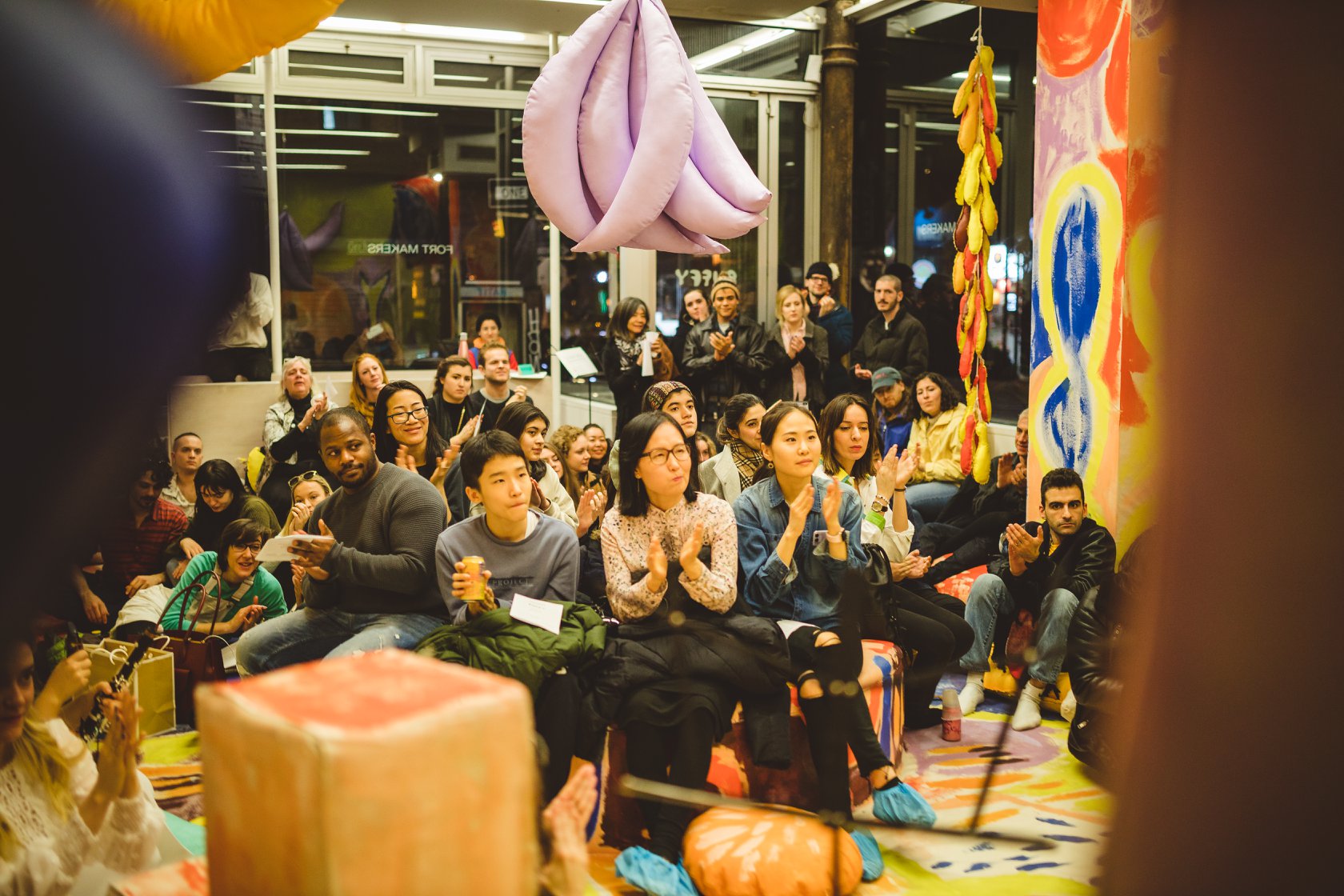
When Fort Makers transformed their gallery on Orchard Street into Puffy, an immersive installation of soft sculpture, painted canvas, and colour you could touch, we saw an opportunity. Why not take it up another notch? Let's add some live music. For this installation, visitors traded shoes for slippers at the door and get to be part of the art. We thought it was the perfect place for an immersive art experience.
CONCEPT
An evening of joy for the community
A free neighbourhood concert built entirely around joy. We put together a programme of music that genuinely made us happy, inspired by the PUFFY exhibition. Along side a program of Milhaud, Bach, Hindemith, we performed a world premiere of Back and Forth for flute and clarinet, written by Juilliard composer Jack Frerer. The two performers stood at opposite ends of the gallery, literally playing back and forth across the space with the audience sitting between them. The encore was a Beatles arrangement.
Nobody sat in rows. Nobody stressed out when to clap yet all were captivated.
OUTCOME
From zero audience list to a full house. Multiple gallery partnerships that followed
Free admission. A full house. Featured in Time Out New York.
The most meaningful outcome was longer term: art galleries across New York took notice. Sonora now has an ongoing concert series across multiple gallery partners in the city -- proof that the model worked, and that audiences were hungry for exactly this kind of experience.
Audience communications
With my background managing arts administration and audience development at ICOA, I naturally took on the role of building and managing Sonora's digital communications from the ground up. This included designing email campaigns in Mailchimp, managing our audience list, and creating event listings via Eventbrite for each production.
Below is the invite email designed and distributed ahead of Puffy.

Case 02 : Muse at the Crown Penthouse
212 Fifth Avenue, Manhattan · October 30, 2018
THE IDEA
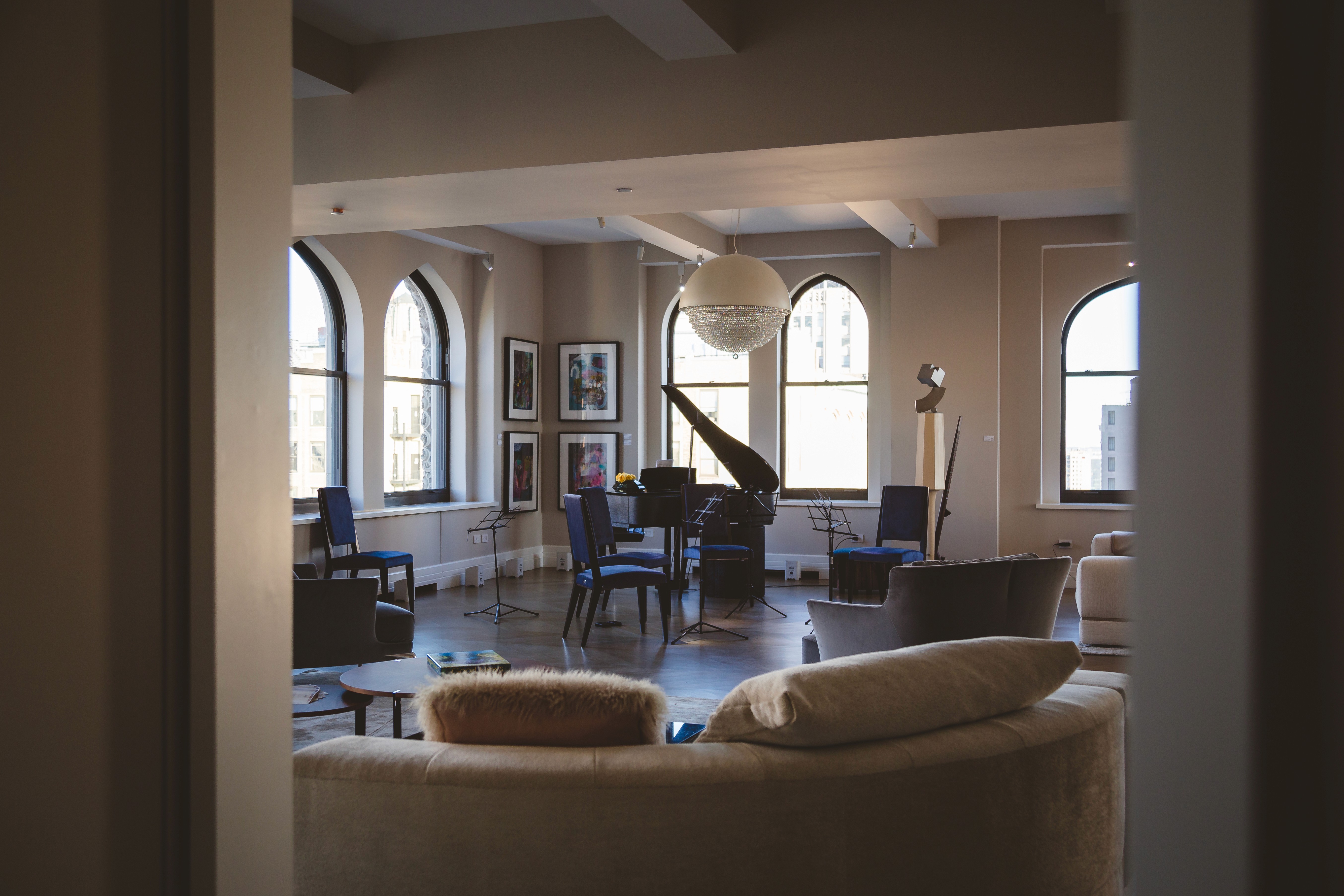
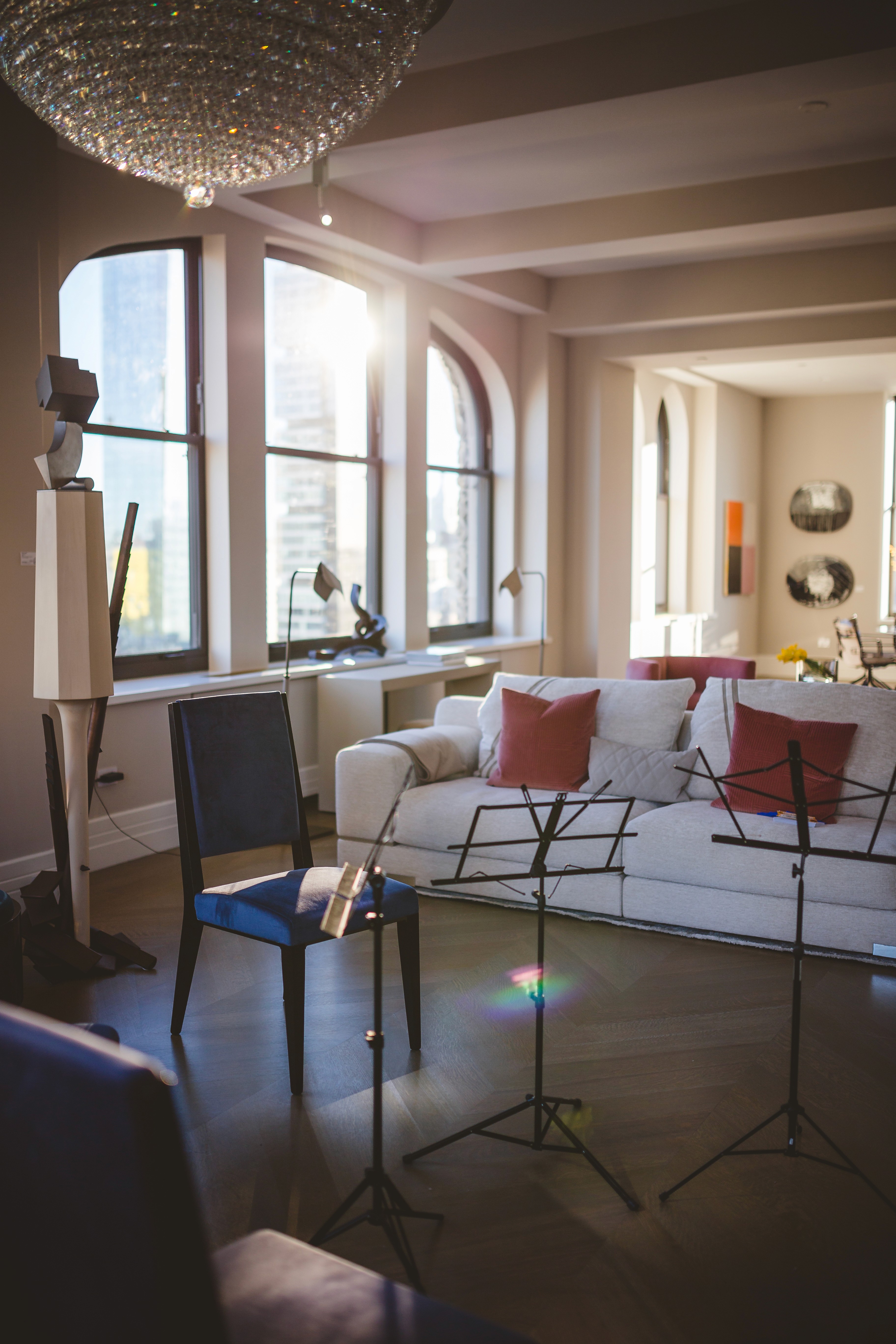
New York City is full of beautiful spaces sitting empty. Luxury penthouses staged with furniture, waiting for a buyer, architecturally stunning but lifeless. I had an idea: what if live music could bring these spaces to life, create a memorable experience for potential buyers, and give Sonora a unique stage all at once?
I pitched Sotheby's International Realty directly. The concept was simple: let us perform in the Crown Penthouse at 212 Fifth Avenue, one of the most spectacular properties in Manhattan, in exchange for the venue. They said yes.
STAKEHOLDER MANAGED
Each stakeholder came with different motivations. I align everyone around a single shared goal.
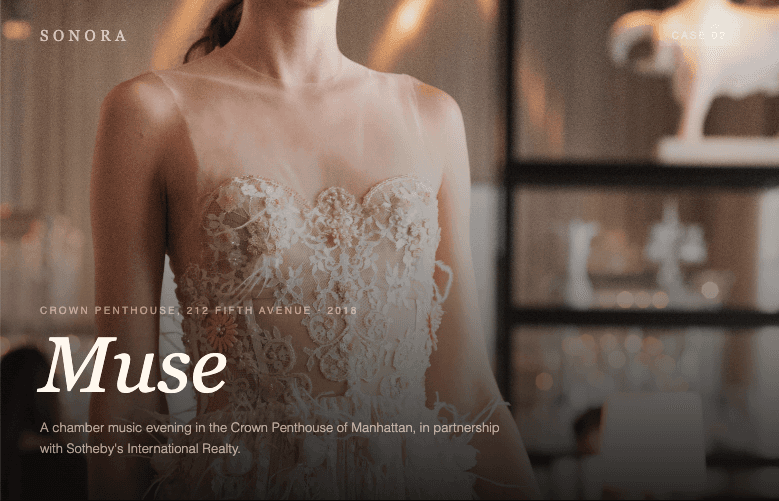
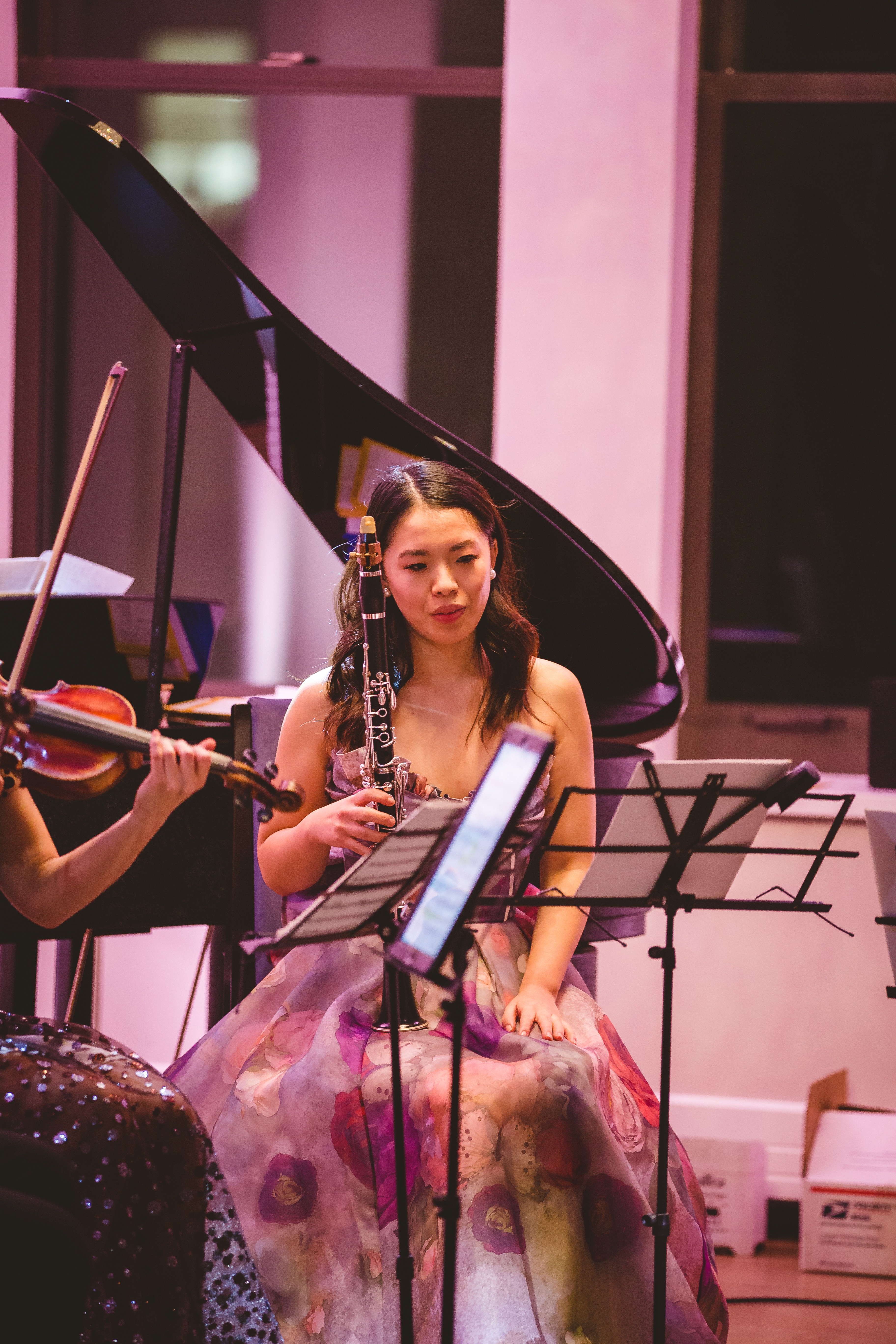
This was the most complex production I managed for Sonora. I coordinated across Sotheby's International Realty as venue partner, fashion designer Sienna Li who lent gowns for the performers after a chance meeting at a magazine event, photographer, catering, performing musicians, PR contacts, and a curated invite-only guest list.
Every stakeholder had different motivations. Sotheby's wanted brand activation. The musicians wanted a meaningful programme and a beautiful stage. The fashion partner wanted visibility in the right context. My job was to align all of them around a single coherent experience.
CONCEPT
Muse told the love story of Brahms, Clara Schumann, and Robert Schumann through chamber music, featuring works by Schumann, Brahms, and Saint-Saëns. The evening was built around storytelling and atmosphere. The penthouse provided the grandeur, the gowns by Sienna Li added a visual narrative, and the music tied it all together. The space, the fashion, the programme all served to tell the story.
OUTCOME
The penthouse sold within two months. It had sat on the market for over two years prior
What this demonstrates
Designing for audiences and designing for users ask the same question: who is this for, and what gets in their way?
Sonora was never just about music. It was about identifying a gap, designing an experience around it, and bringing together the right people to make it happen.
Across both productions I pitched original concepts to sceptical stakeholders, coordinated complex multi-party ecosystems with no budget and a team of three, designed audience communications from scratch, and delivered experiences where every detail served a unified intention.
These are the same instincts I bring to UX work. Understanding who the audience is, what barriers exist between them and the experience, and how to remove those barriers thoughtfully - that is the through line between founding Sonora and designing digital products.